
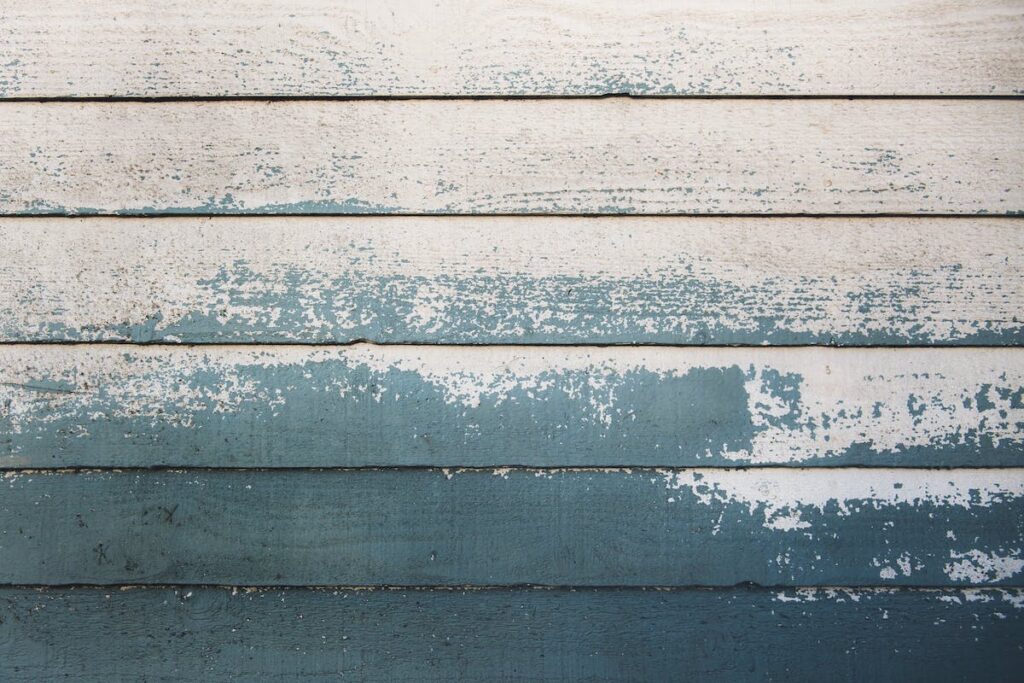
How often should you repaint your home and why? It’s a questions we think about now and again. Repainting your home is an essential part of its maintenance and upkeep. Not only does it enhance the appearance of your property, but it also provides protection against the elements. However, determining the frequency of repainting can be a bit challenging, as it depends on various factors such as climate, quality of previous paintwork, and the type of surfaces involved. In this article, we will explore how often you should repaint your home and why it’s crucial to stay on top of this maintenance task.
Exterior Repainting
The exterior of your home is constantly exposed to harsh weather conditions, UV rays, pollutants, and other environmental factors. Over time, these elements can cause the paint to fade, peel, and deteriorate. As a general rule of thumb, it is recommended to repaint the exterior every 5-10 years. However, certain factors may accelerate the need for more frequent repainting, such as living in coastal areas with high salt content in the air or areas prone to extreme weather conditions like heavy rain or intense sunlight. Regular inspections of the exterior paint condition can help you identify signs of wear and determine when it’s time for a fresh coat.
Interior Repainting
Unlike the exterior, the interior of your home is generally less exposed to the elements. However, factors like high humidity, excessive moisture, heavy traffic, and wear and tear can still take a toll on the paintwork. The frequency of interior repainting depends on several factors, including the quality of the previous paint job, the purpose of the room, and personal preferences. On average, interior repainting is recommended every 5-10 years. However, high-traffic areas such as hallways, kitchens, and bathrooms may require more frequent repainting to maintain a fresh and clean look.
Reasons to Repaint Your Home Regularly
Enhanced Aesthetics
One of the primary reasons to repaint your home regularly is to keep it looking fresh and appealing. Over time, paint can fade, develop stains, or show signs of wear. Repainting your home can instantly revitalize its appearance, boost curb appeal, and make it feel more inviting.
Protection Against Damage
Paint serves as a protective barrier for your home’s surfaces, shielding them from moisture, mold, mildew, and other environmental damage. Regular repainting helps maintain this protective layer, preventing structural damage, rot, and decay.
Increased Property Value
A well-maintained and freshly painted home tends to have a higher resale value. Potential buyers are attracted to properties that show pride of ownership, and a freshly painted home can make a positive impression and increase the perceived value of your property.
Early Detection of Issues
Repainting your home gives you the opportunity to inspect the surfaces for any underlying issues. During the preparation stage, any damaged or deteriorated areas can be identified and addressed, ensuring that your home remains structurally sound and free from potential problems.
Cost Savings in the Long Run
Regular repainting helps prevent extensive damage that may require costly repairs. By addressing minor issues early on, you can avoid more significant expenses down the line.
In conclusion, the frequency of repainting your home depends on several factors, including the climate, surface condition, and personal preferences. Regular repainting not only enhances the aesthetics of your home but also provides essential protection against environmental damage. By staying proactive and repainting when necessary, you can maintain the beauty, value, and structural integrity of your home for years to come.

