
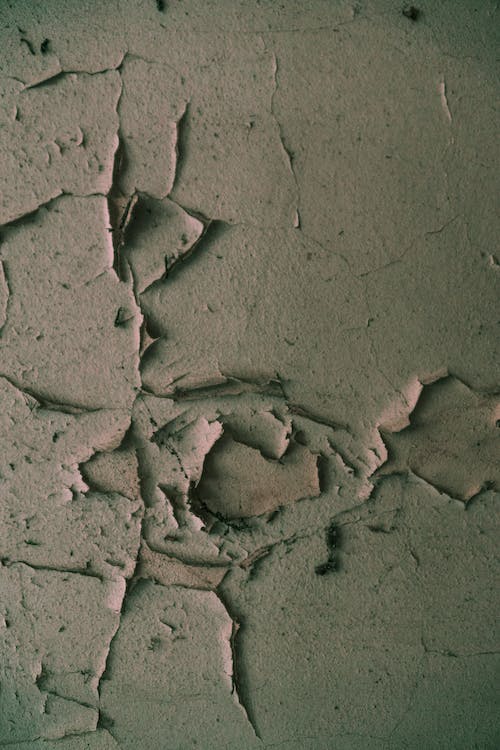
Discovering water stains on your ceiling can be disconcerting. Not only do they affect the aesthetic appeal of your space, but they can also signal underlying issues that require immediate attention. In this article, we’ll explore the common causes of water stains on ceilings and provide guidance on what steps to take to address and remediate the issue effectively.
Identifying Water Stains
Water stains on ceilings typically manifest as discolored patches that can range from light yellow to brown. They often appear in irregular shapes, spreading out from a central point. If the source of the water leak is ongoing, the stain might expand over time. It’s important to note that water stains on the ceiling are often a symptom of a more significant problem, such as a leaky roof, plumbing issue, or condensation buildup.
Common Causes of Water Stains
- Roof Leaks: A damaged or poorly sealed roof can allow water to seep into your home. This water can travel along rafters or beams and eventually manifest as stains on your ceiling.
- Plumbing Leaks: Leaky pipes, especially those located above your ceiling, can lead to water stains. This could be due to a burst pipe, a faulty connection, or even a slow and gradual leak.
- Condensation: In areas with high humidity, such as bathrooms or kitchens, condensation can accumulate and cause water stains. Poor ventilation or inadequate insulation can contribute to this issue.
- HVAC Issues: Air conditioning units or heating systems can create condensation or leaks if not properly maintained. This can result in water stains on the ceiling below.
Steps to Take
- Locate the Source: The first step is to identify the source of the water. Inspect the area directly above the stain, looking for signs of leaks, drips, or water accumulation.
- Address the Issue: Depending on the source of the water, you may need to take different actions. For roof leaks, contact a professional roofer to assess and repair the damage. Plumbing leaks require the expertise of a plumber, while issues with HVAC systems call for an inspection by a qualified technician.
- Ceiling Remediation: Once the source of the water has been addressed and resolved, you can focus on remedying the stain on your ceiling. Begin by allowing the affected area to dry completely. If the stain is still visible after drying, you may need to consider repainting the ceiling. Before repainting, it’s important to use a stain-blocking primer to prevent the water stain from bleeding through the new paint.
- Prevent Future Issues: To prevent future water stains, it’s essential to address the underlying problems promptly. Regular maintenance of your roof, plumbing systems, and HVAC units can help prevent leaks. Ensure proper ventilation and insulation in areas prone to condensation.
Professional Assistance
In cases of extensive damage or if you’re uncertain about the source of the water stain, it’s advisable to seek professional assistance. Companies like Cal-Pac Painting have experience in identifying and remediating water stains on ceilings. They can not only repair the damage but also restore your ceiling to its original condition, ensuring a seamless finish.
In conclusion, water stains on your ceiling are not just cosmetic concerns; they can indicate larger issues that require immediate attention. Identifying the source of the water, addressing the problem, and properly remediating the stain are essential steps to maintain the integrity of your home. If you’re dealing with water stains and need expert guidance, consulting professionals like Cal-Pac Painting can provide a comprehensive solution that restores the beauty and safety of your space.

