
When it comes to updating the look of a room, one common question that arises is whether it’s possible to paint over wallpaper. The answer is yes, it is possible, but like any home improvement project, there are important factors to consider. In this blog post, we’ll delve into the pros and cons of painting over wallpaper, helping you make an informed decision that suits your needs and goals.
Pros of Painting Over Wallpaper
- Cost-Effective Solution: Painting over existing wallpaper can be more cost-effective than removing the wallpaper and repainting the walls from scratch. It eliminates the need for wallpaper removal tools, labor, and potentially repairing any wall damage.
- Time-Saving: Removing wallpaper can be a time-consuming process, especially if it’s stubbornly adhered to the wall. Painting over wallpaper saves you the time and effort of removing it, allowing you to complete your project more quickly.
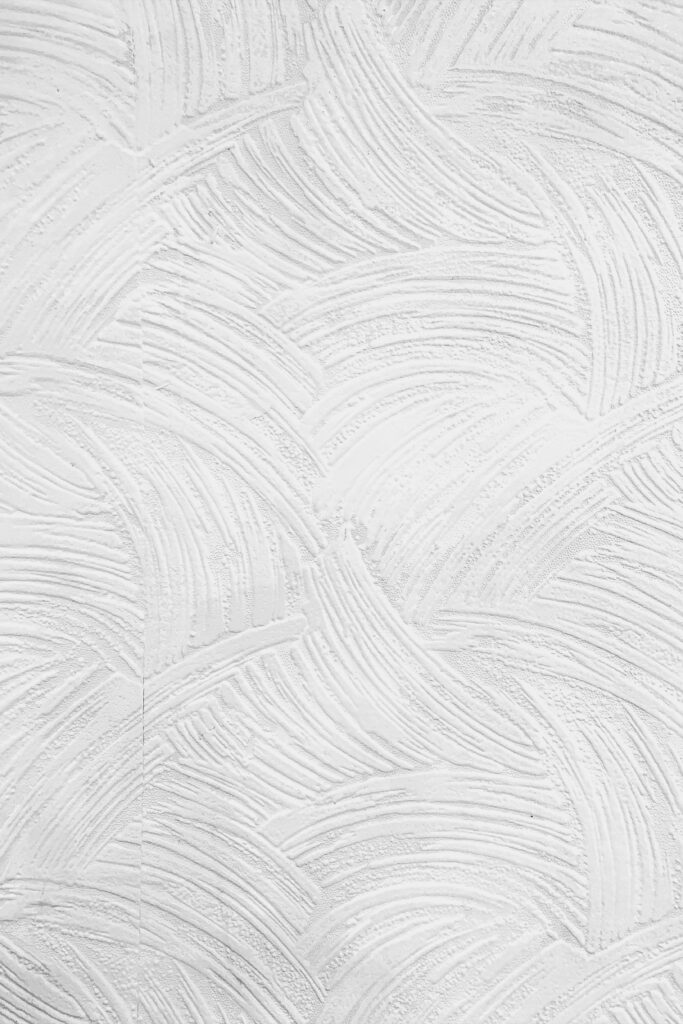
- Texture Concealment: Some wallpapers have textured patterns that can be difficult to remove. Painting over them can help mask these textures, providing a smoother and more uniform surface for the paint.
- Added Dimension: Depending on the wallpaper’s pattern and texture, painting over it can create a unique visual effect. The texture of the wallpaper can add depth and interest to the painted surface.
Cons of Painting Over Wallpaper
- Adhesion Challenges: Paint adheres differently to wallpaper than it does to bare walls. Wallpaper’s smooth surface and potential presence of adhesive residue can make it challenging for paint to stick properly. This could lead to paint peeling or bubbling over time.
- Visible Imperfections: If the wallpaper has any existing imperfections or seams, painting over it may highlight these flaws rather than conceal them. The paint might not be able to fully mask the texture and patterns of the wallpaper.
- Limited Aesthetic Options: The existing color and pattern of the wallpaper may limit your paint color choices. Dark or busy wallpaper patterns might necessitate multiple coats of paint to achieve the desired color, potentially increasing the cost.
- Long-Term Durability: While painting over wallpaper can provide a temporary solution, it might not be as durable in the long run. The wallpaper’s adhesive, along with potential moisture or humidity, could compromise the bond between the paint and the wall.
Tips for Painting Over Wallpaper
- Prepare the Surface: Thoroughly clean the wallpaper surface to remove any dirt, grease, or residue. Use a mild detergent and water, and allow the surface to dry completely before painting.
- Primer is Key: Applying a high-quality primer specifically designed for painting over wallpaper is crucial. Primer helps create a suitable surface for the paint to adhere to and improves overall adhesion.
- Test an Inconspicuous Area: Before committing to painting the entire wall, test a small inconspicuous area to gauge how well the paint adheres and the final appearance.
- Quality Paint Matters: Invest in high-quality paint to ensure better adhesion and longevity. Paint with a higher sheen can help mask the texture of the wallpaper.
Conclusion
Painting over wallpaper can be a viable solution if done correctly and with consideration of the potential challenges. While it offers advantages like cost savings and time efficiency, it’s essential to be aware of the potential adhesion and durability issues. If you’re uncertain about the best approach for your specific situation, consulting with professionals, like Cal-Pac Painting, can help ensure a successful and satisfying result. Whether you choose to paint over wallpaper or opt for wallpaper removal, the goal is to create a fresh and updated look that enhances your space’s aesthetics.

