
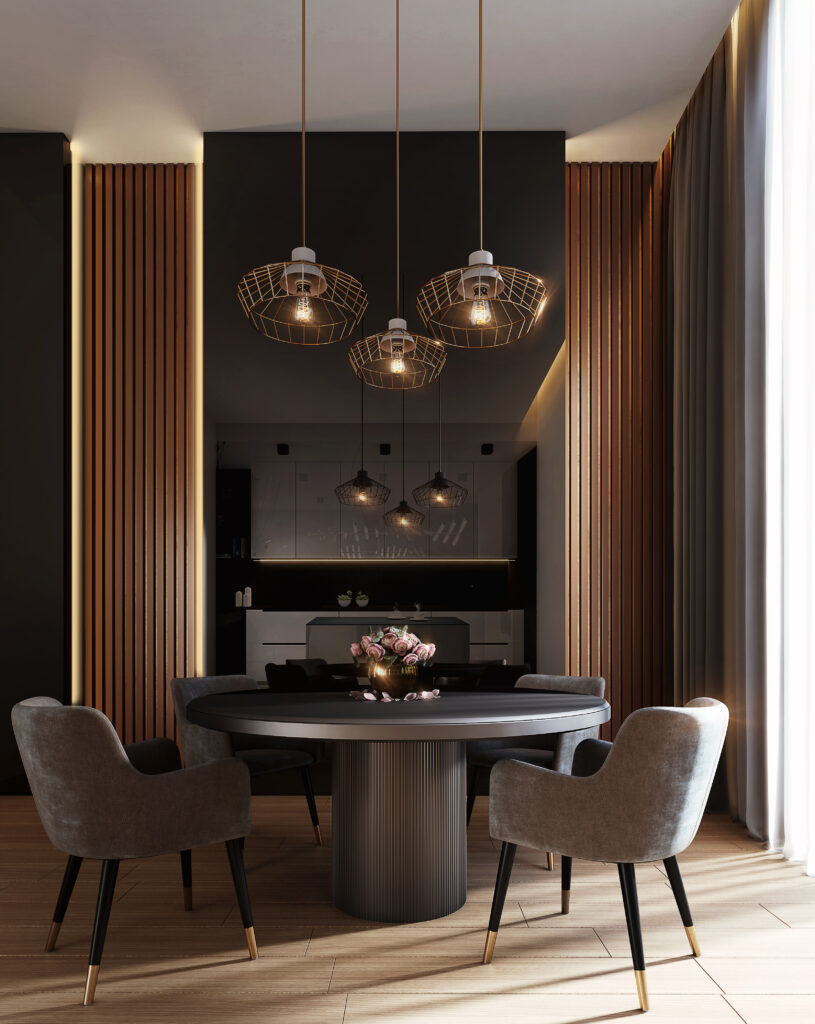
Make small rooms look bigger with light and dark paint colors
Transforming a small room into a more spacious and inviting space doesn’t always require knocking down walls or extensive remodeling. The strategic use of paint colors can work wonders in creating the illusion of a larger room. By harnessing the power of light and dark shades, you can visually expand your space and make it feel more open and airy. In this article, we’ll explore the art of using paint colors to make small rooms look bigger and more expansive.
1. Embrace Light Shades for Walls: Opt for light and neutral paint colors for your walls. Shades like soft whites, pale creams, light grays, and pastel tones reflect more natural light and create an open, airy feeling. Light-colored walls bounce light around the room, giving the impression of more space.
2. Create Depth with Dark Accent Colors: While light-colored walls can make a room feel larger, don’t shy away from incorporating dark accent colors strategically. Consider using darker shades for accent walls, furniture, or trim. This creates depth and contrast that adds visual interest without overpowering the space.
3. Contrasting Elements: Introduce contrast by pairing light walls with dark furnishings or decor items. For instance, dark furniture against light walls can create a sense of depth and draw the eye, making the room appear more expansive.
4. Ceiling Illusions: Give the illusion of higher ceilings by painting them a lighter color than the walls. This draws the eye upward, making the room feel taller and more open. A light ceiling creates an airy atmosphere and minimizes the perception of confinement.
5. Flooring Matters: While paint colors play a significant role, don’t forget about your flooring. Light-colored flooring, such as light wood or pale tiles, complements light walls and contributes to the overall sense of spaciousness.
6. Use Horizontal Stripes: If you’re feeling adventurous, consider using horizontal stripes on one wall. Paint alternating stripes in light and slightly darker shades. Horizontal stripes can visually widen a room, making it feel more expansive.
7. Limit High-Contrast Elements: While some contrast is beneficial, avoid excessive use of high-contrast elements, as they can create visual fragmentation and make a room feel smaller. Opt for a balanced approach by using contrasts sparingly and strategically.
8. Utilize Mirrors: While not directly related to paint, mirrors are excellent tools for creating the illusion of space. Placing a mirror opposite a window reflects natural light, making the room feel brighter and larger.
9. Keep Trim Light: Light-colored trim around doors, windows, and baseboards can create a seamless transition between walls and open up the space.
10. Minimize Clutter: Lastly, keep in mind that the perception of space isn’t solely about paint colors. Decluttering and smart storage solutions play a significant role in making a small room appear bigger. A tidy and organized room naturally feels more open and spacious.
In conclusion, the strategic use of light and dark paint colors can work wonders in visually expanding small rooms. By creating contrast, utilizing ceiling illusions, and embracing light shades, you can create an environment that feels more open, airy, and inviting. Whether you’re working with a cozy bedroom, a compact living room, or a petite kitchen, the art of paint color selection can truly transform your space.

